Participant Enquiries

Can the NDIS Pay for a Gym Membership? What You Need to Know
Empowrd • December 15, 2025
What’s Covered, What’s Not – and What to Ask For Instead
If you’re an NDIS participant looking to improve your strength, health or mobility, you might wonder: “Can I use my NDIS funding for a gym membership?”
The answer is:
No — not usually.
The NDIS does not consider gym memberships to be an NDIS-funded support, because they’re a day-to-day living cost that anyone might have, with or without a disability.
But that doesn’t mean there aren’t supports available to help you access physical activity safely, especially if it’s part of your goals.
What the NDIS Does Not Fund
The NDIS will not fund:
- A general gym membership
- Fitness programs or classes not tailored to disability-related needs
- Lifestyle or recreation costs, like sports uniforms or club fees
Even if a goal in your plan is to “get fit”, the membership itself is not considered reasonable and necessary under the NDIS Act.
Who Might Benefit from NDIS-Funded Exercise Supports?
Not every NDIS participant will require exercise-related support, but for many, it plays a key role in maintaining mobility, independence, or mental wellbeing.
Here are examples of disability types and conditions where exercise support may be considered reasonable and necessary under the NDIS if linked to individual goals and functional capacity.
Autism Spectrum Disorder (ASD)
Physical activity can support emotional regulation, routine, social skills, and sensory processing. A support worker may be funded to assist with gym access, reduce anxiety in new environments, or guide participation in structured exercise.
ADHD (Attention-Deficit/Hyperactivity Disorder)
For some people with psychosocial disability, regular movement can help with focus, emotional regulation, and routine. NDIS funding may be available when the participant requires support to safely or consistently access exercise environments.
Physical Disabilities
Conditions such as cerebral palsy, muscular dystrophy, or spinal cord injuries often require targeted strength and mobility support. Participants may need assistance from a physiotherapist, exercise physiologist, or support worker to engage safely in physical activity.
Neurological or Degenerative Conditions
Exercise can support balance, gait, and functional mobility in conditions like multiple sclerosis (MS), Parkinson’s disease, or acquired brain injury (ABI). NDIS funding may be used for tailored programs delivered with supervision or assistive technology.
Psychosocial Disability (e.g. PTSD, anxiety, depression)
For some participants, structured movement supports better mental health, community access, and confidence. A support worker may assist with planning, transport, or safety to ensure exercise routines are followed.
Intellectual Disability or Developmental Delay
Exercise programs can assist with coordination, social development, and health maintenance. A support worker may help the participant engage with gym equipment, follow instructions, or maintain a consistent routine.
Remember: It’s not enough to say exercise is helpful. You need to show that the support is directly related to your disability, supports your NDIS goals, and cannot be reasonably provided by informal or mainstream services.
What the NDIS May Fund Instead
While the NDIS won’t pay for a gym membership, it may fund supports that help you access or participate in exercise especially when it relates to your functional capacity and personal goals.
A Support Worker at the Gym
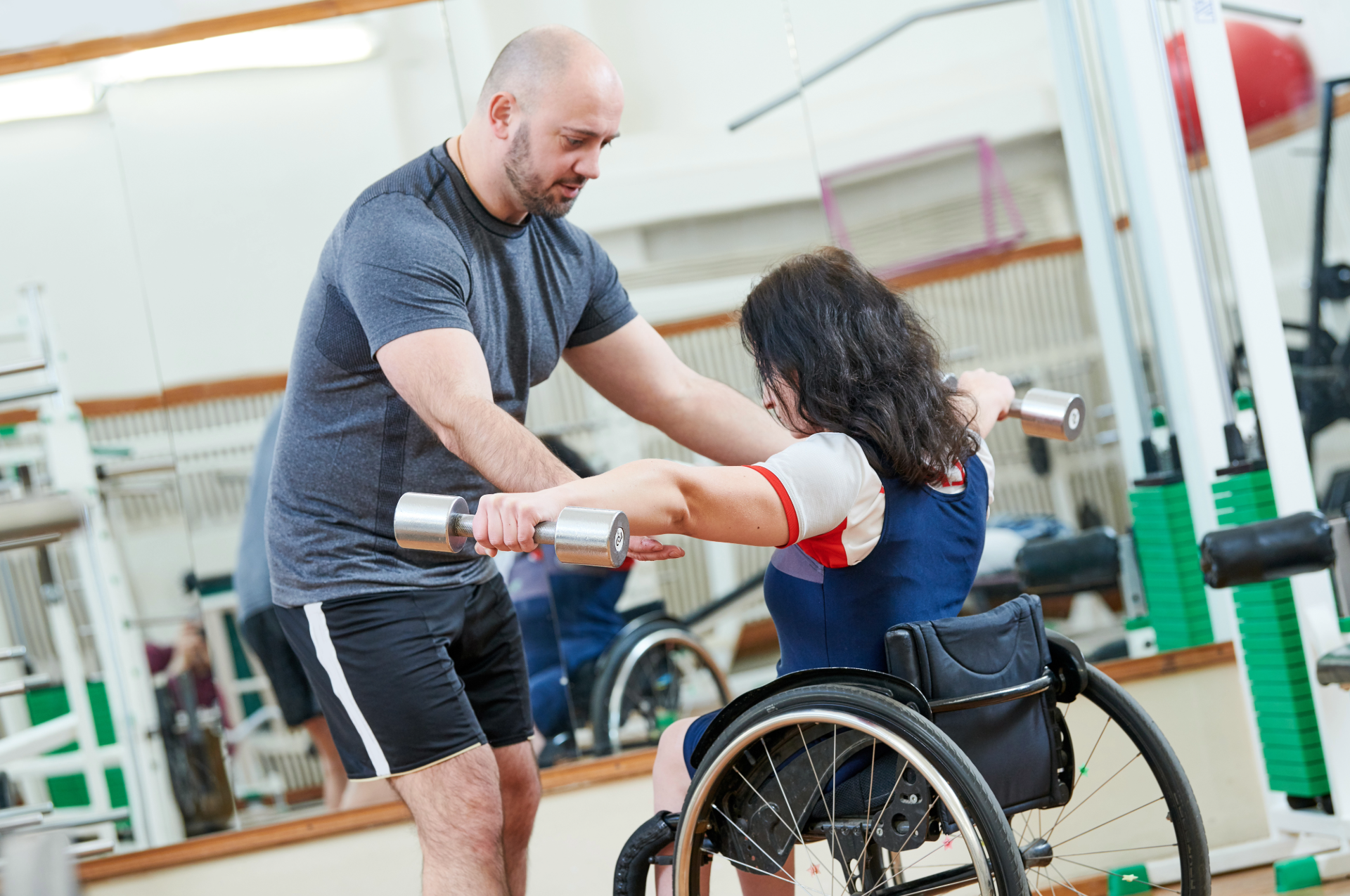
If your disability prevents you from using the gym safely on your own, the NDIS may fund a support worker to assist with:
- Transfers or use of equipment
- Following instructions or routines
- Behavioural or emotional support
- Encouragement and prompting
Transport to and from the Gym
If you can’t access public transport independently, the NDIS may fund transport supports to help you attend regularly especially in regional or remote areas.
Exercise Physiology or Physiotherapy
The NDIS may fund sessions with a qualified exercise physiologist or physiotherapist under Capacity Building supports, when focused on:
- Improving mobility or physical function
- Falls prevention or balance
- Recovery or rehab linked to your disability
- Support for postural care or complex needs
Home Exercise Equipment
The NDIS may fund assistive equipment for home-based movement if:
- It directly relates to your disability
- It supports a goal in your plan
- A qualified therapist has recommended it
- It is more suitable than attending a gym or group program
Examples:
- Modified resistance bands or therapy tools
- Exercise bikes with stability features
- Balance or gait training aids
- Supportive seating for safe movement
You’ll need clinical justification showing why home-based exercise is safer, more appropriate, or more effective than gym access.
How to Talk About Exercise in Your Planning Meeting
If staying active is part of your goal, make sure to:
- Include a health or mobility goal in your plan
- Ask your therapist or exercise psysiologist to provide supporting documentation
- Be specific about what support you need to attend or complete exercise safely
Example:
"Because of my physical disability, I can’t use the gym independently. I need a support worker to assist with equipment and transfers to safely meet my goal of increasing lower body strength.”
Real-World Benefits of Supported Exercise
Even if the NDIS won’t fund your gym fees, supported physical activity can help:
- Build strength and confidence
- Improve emotional wellbeing
- Increase independence with mobility and daily tasks
- Reduce falls risk or injury
- Support social inclusion and routine
Final Thoughts
Gym memberships themselves are not covered by the NDIS.
But if physical activity is linked to your goals and functional needs, there are still many ways the NDIS can support you, including funding for support workers, therapists, transport, or home-based equipment.
Need help working out what’s eligible in your plan?
Based in Port Lincoln, Supporting the Eyre Peninsula and Beyond
Empowrd supports NDIS participants across Port Lincoln, Ceduna, Whyalla, and surrounding regions with:
- Local Support Coordination
- Australia-wide Plan Management
- Help preparing for reviews and funding requests
📩Visit empowrd.com.au
Let’s make your plan work for your real goals — not just the paperwork.
NDIS Plan Management and Support Coordination
At Empowrd, we are here to make your life easier. Based in Port Lincoln on the Eyre Peninsula, we offer a personal, accessible and holistic approach to NDIS Plan Management and Support Coordination.
We provide Plan Management services across Australia, assisting with financial administration, and offer Support Coordination to participants in Port Lincoln and Eyre Peninsula, connecting them with the right supports and providers. Our goal is to ensure your NDIS plan works for you, so you can focus on achieving your goals and doing what you love.
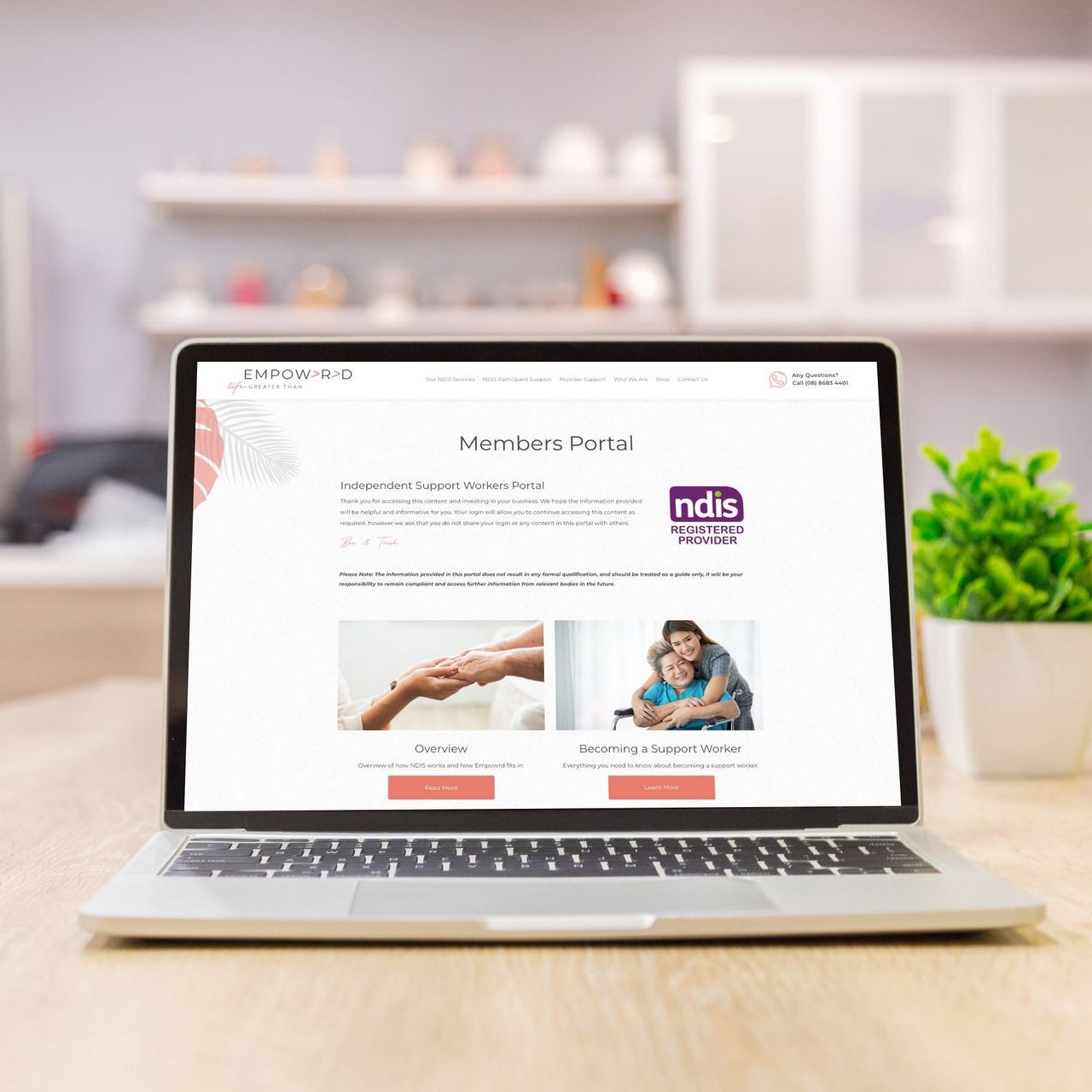
Want to Become a Support Worker?
Our Independent Support Workers Education Portal provides everything you need to navigate the NDIS, find work, and confidently offer services as an Independent Support Worker. For just $65, you will gain access to comprehensive guides, essential resources, and ready-to-use templates to streamline your work.
Inside, you will find:
- A clear breakdown of how the NDIS works
- Tips for finding jobs and delivering services
- Step-by-step guidance on invoicing and support planning
- Ready-to-edit templates for quotes, service agreements, invoices, and case notes
Need just the templates? You can also purchase them separately as standalone resources.

I hope you enjoy reading this blog post.
If you are ready to be Empowrd to live your life to the fullest, let us steer you on the right path.

Fuel shortages and rising fuel costs can affect transport, appointments and access to supports for NDIS participants. Learn how Empowrd helps participants plan ahead.

From July 2026, all SIL providers must be registered with the NDIS Commission. Learn what’s changing, why it matters, and what participants should expect.

Feeling overwhelmed as a carer? Emergency respite through Carer Gateway provides temporary care so you can rest and recover. Read more.

Emergencies can happen with little warning, and for people with disability the impact can be severe. Learn how to plan ahead and protect your supports.

Learn how disability parking permits work in Australia, who is eligible, and how to apply. Includes the Australian Disability Parking Scheme (ADPS) and NDIS guidance.

NDIS Capacity Building funding supports independence and skill development. Understand the 8 Capacity Building support categories and how they align with your NDIS plan goals.

A step-by-step guide to NDIS Participant Support Plans. Learn what to include, why they matter, and how to use them to improve your support and planning.

Learn how the NDIS can support diabetes management if your disability makes self-care harder. Understand what’s funded and how to apply.

Understand what "Assistance with Daily Life" means in your NDIS plan. Learn what support workers can help with, how to use Core Supports, and how to explain your daily living needs.
Be EMPOWRD to Live Your Best Life
If you’re ready to be empowered to live life on your terms, we’re here to help guide the way. At Empowrd, we offer a personal, accessible, and holistic approach to NDIS Plan Management and Support Coordination. We’ll ensure your plan works for you, allowing you to focus on your goals and the things you love most.