Participant Enquiries

Emergency & Disaster Planning in the NDIS: What Participants Need to Know (and Why It Matters)
Empowrd • February 3, 2026
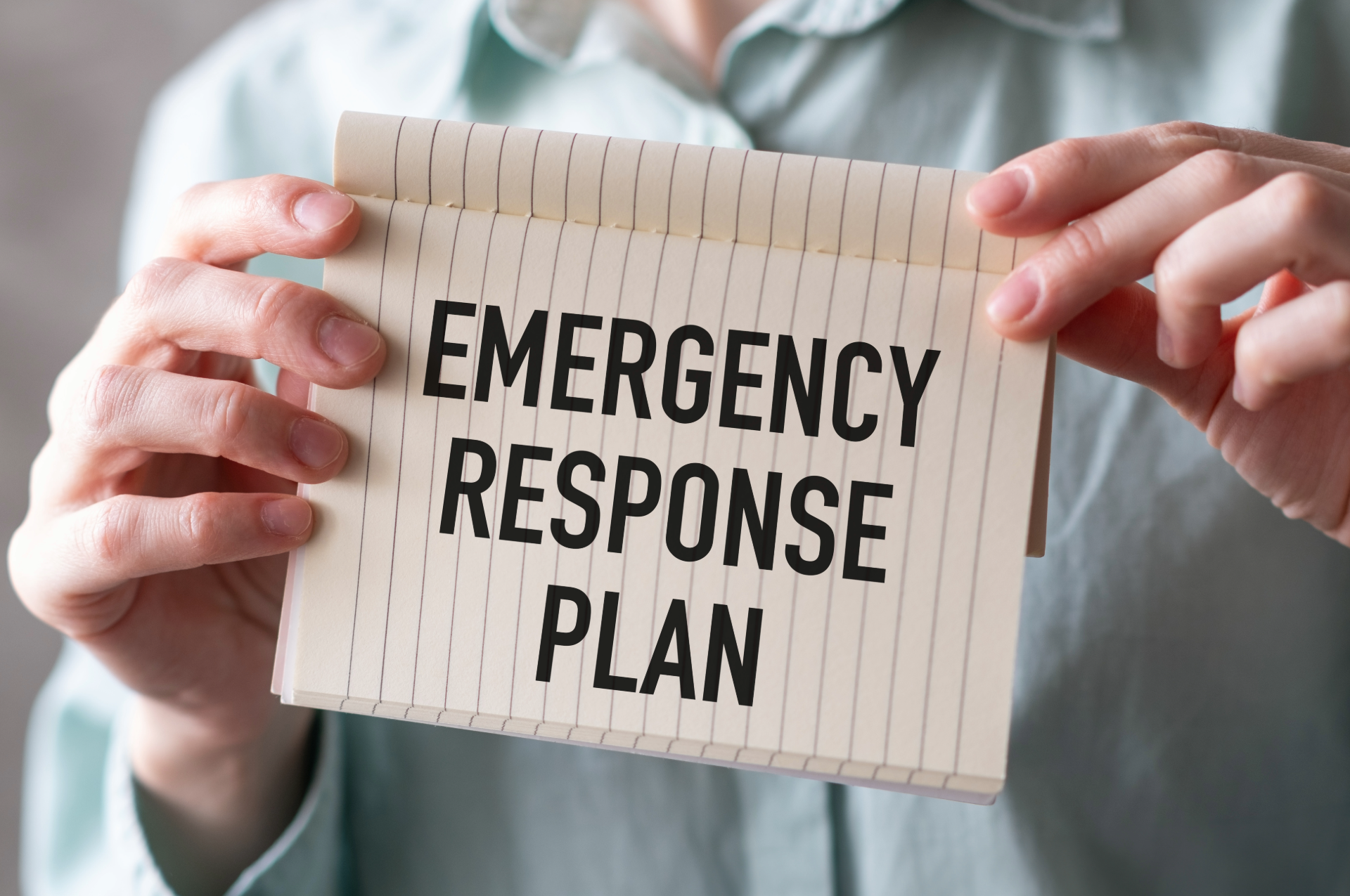
Emergencies in Australia, from bushfires and floods to blackouts and heatwaves, can happen fast, with little or no warning.
For people with disability, the impact of these events can be far more serious, especially when daily supports, equipment, or routines are disrupted.
This guide is designed to help NDIS participants, families, and carers understand how to plan ahead to protect their safety, dignity, and continuity of care, and how providers can support them along the way.
Why Emergency Planning Matters
People with disability are at higher risk during emergencies, particularly when essential supports are suddenly unavailable. Risks can include:
- Losing access to essential supports or carers
- Interrupted access to medications or equipment
- Difficulty evacuating or communicating
- Increased stress or health complications
- Being isolated or overlooked in a crisis
You don’t need to predict every possible emergency, but you do need a clear, realistic plan for what happens if your regular supports are disrupted.
What to Consider When Planning for Emergencies
Every person’s situation is different, but here are some key areas to think about:
1. Your Support Needs
- What supports do you rely on every day?
- What would happen if they were unavailable for 1–3 days?
- Do you need help evacuating, transferring, or communicating?
- Are there behaviour support strategies others should be aware of in a crisis?
2. Medication and Medical Needs
- Do you have enough medication on hand to last during a disruption?
- Do you rely on refrigerated medication or power-dependent equipment (e.g. feeding pumps, ventilators)?
- Who knows how to manage your health needs if your usual carer is unavailable?
3. Assistive Technology and Equipment
- What happens if there’s a power outage?
- Do you have backup batteries or manual alternatives?
- Is your equipment portable or evacuation-ready?
4. Emergency Contacts and Plans
- Who would you contact first in an emergency?
- Does someone have a copy of your emergency plan?
- Can you easily explain your support needs if you end up in a new or unfamiliar environment?
How Providers Can Support Participants
Under the NDIS, emergency and disaster planning is a shared responsibility between participants and providers.
Providers should:
- Help you plan for emergencies as part of service delivery
- Communicate clearly about changes to support during disruptions
- Make sure their staff understand their roles in an emergency
- Review emergency plans after changes, incidents, or feedback
- Collaborate with you to ensure the plan is realistic and personalised
Even unregistered providers are encouraged to follow best practices and ensure their participants aren’t left unsupported during a crisis.

What Should Be in an Emergency Plan?
A good emergency plan is:
- Personalised and practical
- Easy to follow
- Shared with the right people
- Reviewed and updated regularly
It may include:
- Emergency contact details
- Medical and support information
- A list of medications and equipment
- Backup carers or providers
- Communication preferences
- Shelter or evacuation plans
- Contingency plans for support delivery
You can ask your Support Coordinator or provider to help create this. It’s not something you need to do alone.
Free Emergency Planning Workbook (Optional but Recommended)
If you’d like help putting together your own emergency plan, the Person-Centred Emergency Preparedness (P-CEP) Workbook is a free tool designed to support people with disability and their supporters in planning ahead.
It guides you through questions about your daily support needs, communication, transport, health, and how emergencies could affect you, helping you create a plan that works for your life.
You can use this workbook with your Support Coordinator, family, or support provider.
What the NDIS Requires from Registered Providers
For registered providers, emergency and disaster planning is part of the NDIS Practice Standards. This includes:
- A documented emergency and disaster management plan
- Consulting with participants and their networks during planning
- Training staff to understand their roles in an emergency
- Planning for continuity of critical supports
- Reviewing and testing plans regularly
Even though the standards apply to registered providers, the underlying goal of ensuring participant safety and support continuity applies to everyone delivering supports.
Common Gaps to Avoid
- Emergency plans that aren’t shared or practised
- Staff who are unsure of their roles during an emergency
- No planning for support continuity if a worker can’t attend
- Plans that don’t reflect individual needs or preferences
- No reviews after an incident, or when services change
Addressing these gaps doesn’t just help in a crisis; it builds trust, safety, and resilience year-round.
Final Thoughts: Preparedness, Not Perfection
Emergency and disaster planning in the NDIS isn’t about ticking boxes or doing everything perfectly. It’s about ensuring that people with disability are safe, supported, and not left behind when circumstances change.
Start with a simple question: “What would happen if my usual supports weren’t available tomorrow?”
From there, work together with your provider or support coordinator to create a plan that’s realistic, useful, and ready when it counts.
Preparedness today can make a meaningful difference tomorrow.
NDIS Plan Management and Support Coordination
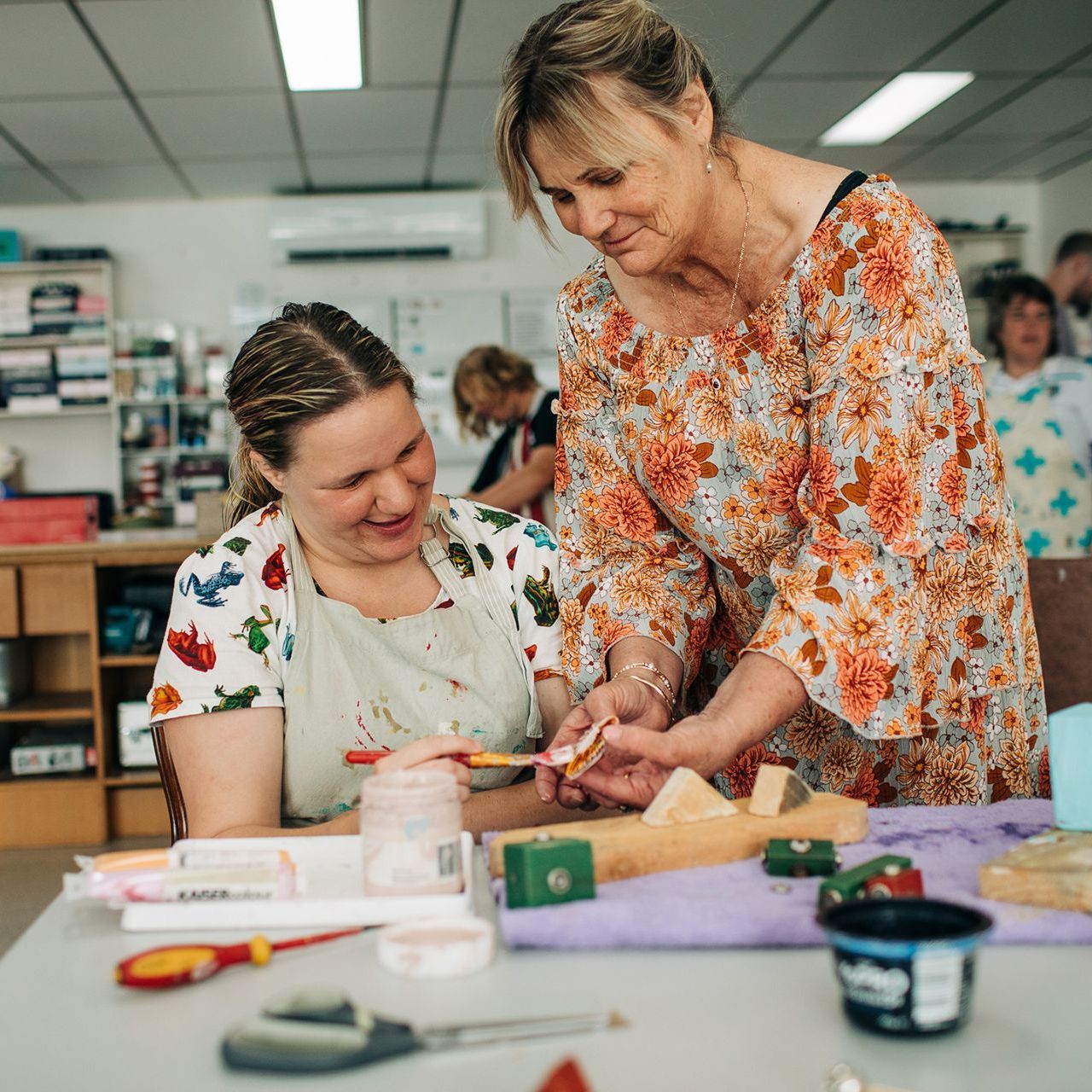
At Empowrd, we are here to make your life easier. Based in Port Lincoln on the Eyre Peninsula, we offer a personal, accessible and holistic approach to NDIS Plan Management and Support Coordination.
We provide Plan Management services across Australia, assisting with financial administration, and offer Support Coordination to participants in Port Lincoln and Eyre Peninsula, connecting them with the right supports and providers. Our goal is to ensure your NDIS plan works for you, so you can focus on achieving your goals and doing what you love.
Want to Become a Support Worker?
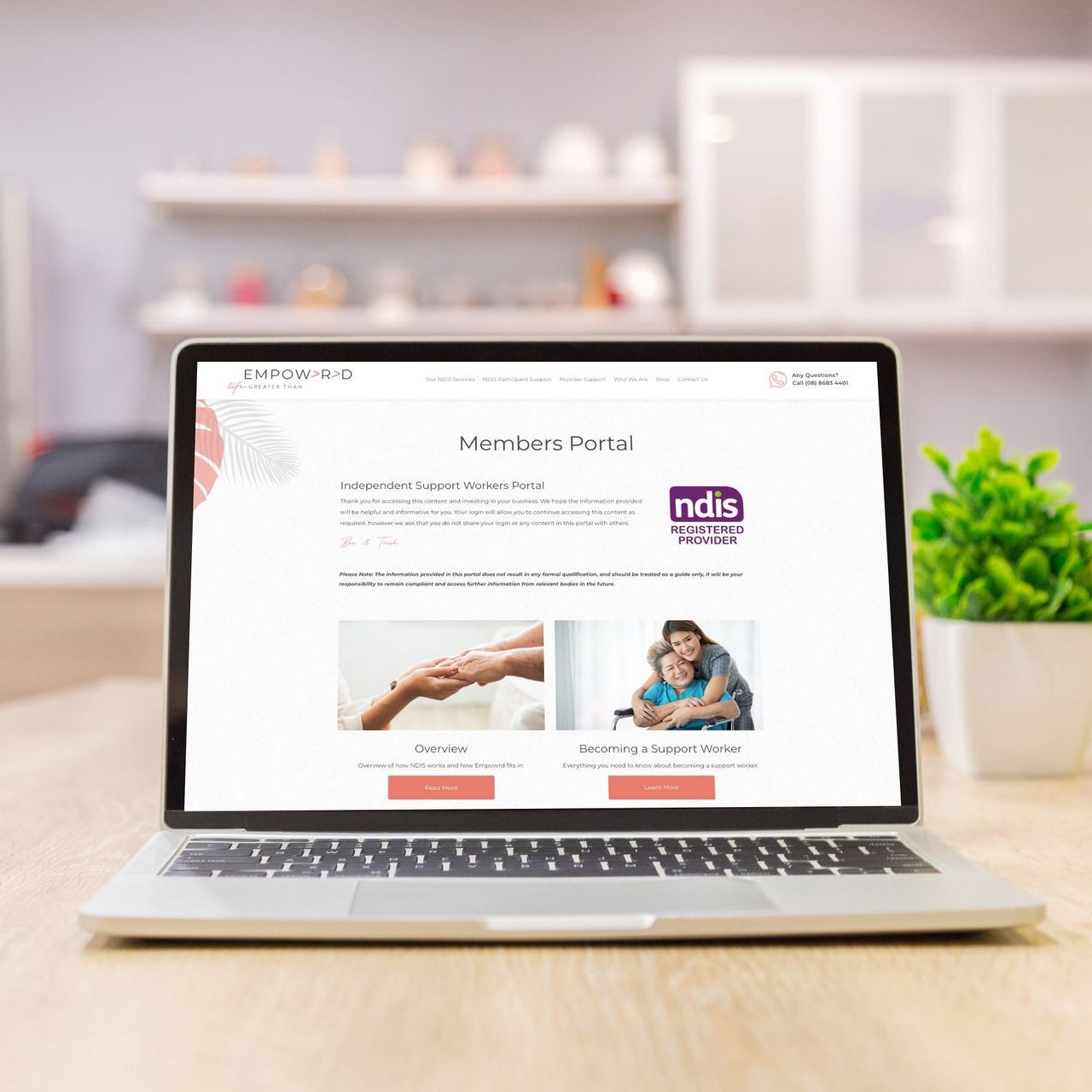
Our Independent Support Workers Education Portal provides everything you need to navigate the NDIS, find work, and confidently offer services as an Independent Support Worker. For just $65, you will gain access to comprehensive guides, essential resources, and ready-to-use templates to streamline your work.
Inside, you will find:
- A clear breakdown of how the NDIS works
- Tips for finding jobs and delivering services
- Step-by-step guidance on invoicing and support planning
- Ready-to-edit templates for quotes, service agreements, invoices, and case notes
Need just the templates? You can also purchase them separately as standalone resources.

I hope you enjoy reading this blog post.
If you are ready to be Empowrd to live your life to the fullest, let us steer you on the right path.

Fuel shortages and rising fuel costs can affect transport, appointments and access to supports for NDIS participants. Learn how Empowrd helps participants plan ahead.

From July 2026, all SIL providers must be registered with the NDIS Commission. Learn what’s changing, why it matters, and what participants should expect.
Feeling overwhelmed as a carer? Emergency respite through Carer Gateway provides temporary care so you can rest and recover. Read more.

Learn how disability parking permits work in Australia, who is eligible, and how to apply. Includes the Australian Disability Parking Scheme (ADPS) and NDIS guidance.

NDIS Capacity Building funding supports independence and skill development. Understand the 8 Capacity Building support categories and how they align with your NDIS plan goals.

A step-by-step guide to NDIS Participant Support Plans. Learn what to include, why they matter, and how to use them to improve your support and planning.

Learn how the NDIS can support diabetes management if your disability makes self-care harder. Understand what’s funded and how to apply.
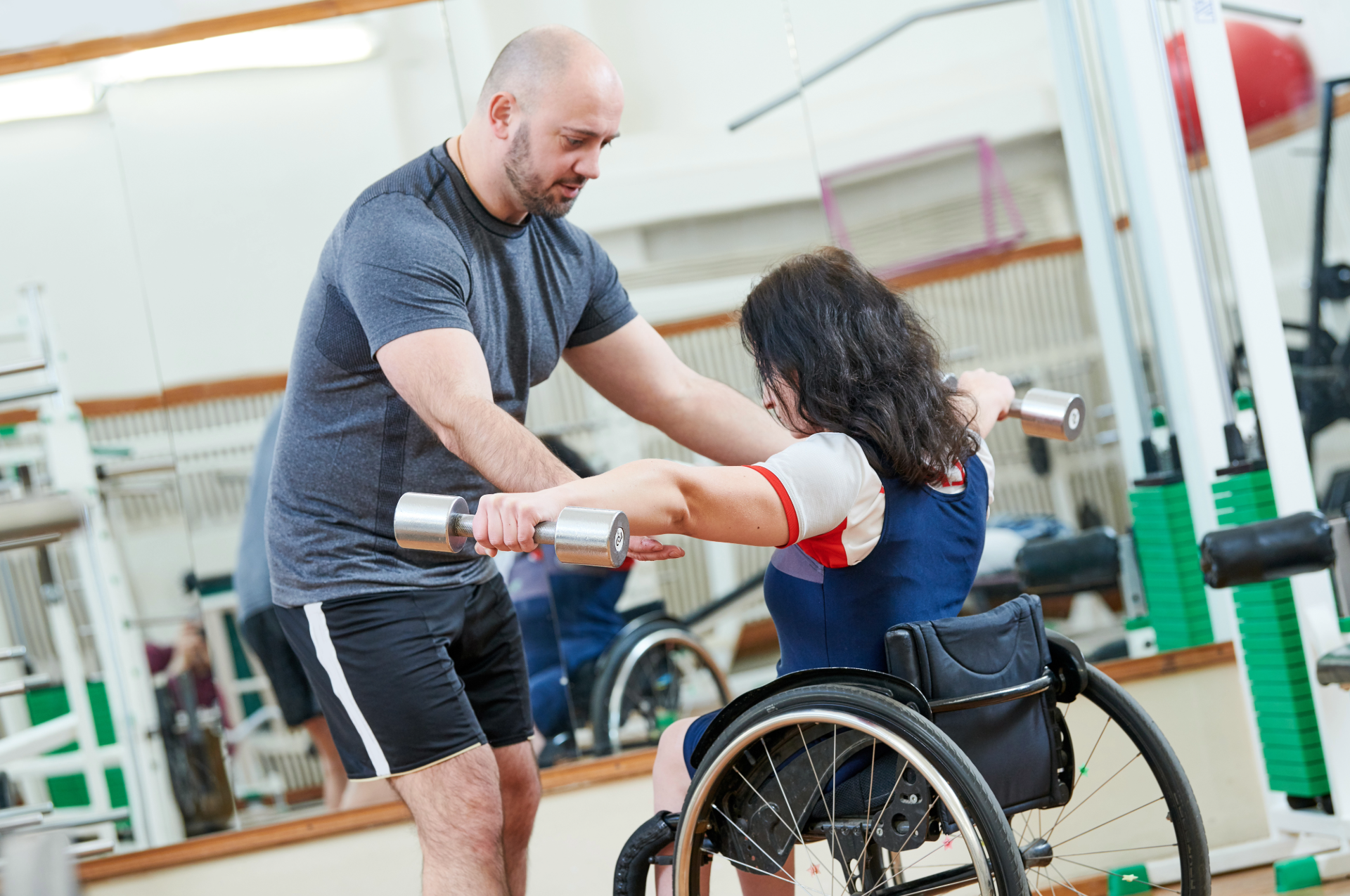
Find out if the NDIS funds gym memberships, support workers at the gym, or home exercise equipment and what to include in your planning meeting.

Understand what "Assistance with Daily Life" means in your NDIS plan. Learn what support workers can help with, how to use Core Supports, and how to explain your daily living needs.
Be EMPOWRD to Live Your Best Life
If you’re ready to be empowered to live life on your terms, we’re here to help guide the way. At Empowrd, we offer a personal, accessible, and holistic approach to NDIS Plan Management and Support Coordination. We’ll ensure your plan works for you, allowing you to focus on your goals and the things you love most.