
Participant Enquiries

Disability Parking Permits Explained: What They Are, Who Can Get One, and How to Use Them
Empowrd • February 3, 2026

Disability parking permits (often called disabled parking permits or mobility parking permits) are designed to make everyday travel safer and more accessible for people with disability. Despite being widely used, they are often misunderstood including who is eligible, how they can be used, and what responsibilities come with them.
This guide provides clear, up-to-date information about disability parking permits across Australia, including the national framework (ADPS), eligibility, how to use them, and how supports such as Support Coordination can help.
Note: Disability parking permits are issued by state and territory authorities. Rules and application processes vary slightly between jurisdictions.
What Is a Disability Parking Permit?
A disability parking permit allows an eligible person to park in designated disability parking spaces and, in some cases, access additional parking concessions.
These permits exist to support people who:
- Have reduced mobility
- Experience significant difficulty walking
- Rely on mobility aids
- Are affected by conditions that make distance, fatigue, or safety a concern
The permit is issued to a person, not a vehicle. It can be used in any car the permit holder is travelling in, as long as they are entering or exiting the vehicle.
The Australian Disability Parking Scheme (ADPS)
Australia has a national framework for disability parking called the Australian Disability Parking Scheme (ADPS). Under the ADPS:
- There is an
Australian Disability Parking Permit that is recognised nationally.
Eligibility criteria are nationally consistent. - There are minimum parking concessions set nationally.
- This helps reduce barriers for permit holders when travelling between states or territories.
Each state and territory still manages the application, issuance, and local rules but the ADPS ensures similar expectations wherever you are in Australia.
Who Can Apply for a Disability Parking Permit?
Eligibility is based on functional impact, not diagnosis alone. You may qualify if you:
- Cannot walk more than a short distance without pain, fatigue, or risk
- Require a wheelchair, scooter, crutches, or walking aid
- Have a permanent or long-term condition affecting mobility
- Have a temporary condition (e.g. post-surgery or injury) that significantly limits mobility
Children and adults can both be eligible.
Eligibility must be certified by a qualified health professional, such as a GP, specialist, or allied health professional.
Types of Disability Parking Permits
Typically, there are two broad types of permits:
1. Permanent Disability Parking Permit
- Issued for long-term or permanent conditions
- Usually valid for several years
- Can be renewed without a full reassessment in some cases
2. Temporary Disability Parking Permit
- Issued for short-term or temporary conditions
- Valid for a limited period (for example, 3–12 months)
- Must be returned or renewed once it expires
The type issued depends on medical evidence and the expected duration of the condition.
How to Apply for a Disability Parking Permit
The application process generally involves:
- Completing the disability parking permit application form
- Having the medical section completed by an approved health professional
- Submitting the application online or in person
- Waiting for assessment and approval
Once approved, the permit is issued directly to the applicant.
Disability Parking Permit Authorities by State/Territory
Contact the relevant authority for applications, costs, eligibility details, and permit use rules:
How Can a Disability Parking Permit Be Used?
When displayed correctly, a valid permit may allow:
- Parking in designated disability parking spaces
- Additional time in timed parking zones
- Access to closer parking to entrances and services
The permit must:
- Be clearly visible
- Show the expiry date
- Be used only when the permit holder is present
Misuse of a permit can result in fines and cancellation.
Important Rules to Know
- The permit must only be used when the eligible person is entering or exiting the vehicle
- Family members or carers cannot use the permit on their own
- The permit does not allow parking in no-stopping zones, clearways, or loading zones
- Permits are not transferable
Using a permit incorrectly can affect access for others who rely on these spaces.
Disability Parking Permits and the NDIS
A disability parking permit is not issued through the NDIS.
However, many NDIS participants are eligible due to mobility or functional support needs.
Support Coordinators and Plan Managers can help by:
- Explaining eligibility and application processes
- Supporting access to medical evidence
- Linking parking access needs to transport or community participation goals
The permit itself is managed through state or territory transport authorities, not the NDIA.
Common Misunderstandings
“You need to be a wheelchair user to qualify.”
Not true. Eligibility is based on functional impact, not equipment use.
“The permit belongs to the car.”
Incorrect. It belongs to the person.
“NDIS funding covers the permit.”
No. The permit is issued through state government systems.
“It’s only for permanent disability.”
Temporary permits are available for short-term conditions.
What If Your Application Is Declined?
If an application is declined:
- You can request clarification or provide additional evidence
- You may reapply if circumstances change
- Support from a health professional may help clarify the functional impact
Declines are often about insufficient evidence, not ineligibility.
A Final Word
Disability parking permits exist to support safety, dignity, and participation. Used correctly, they make everyday activities more accessible, from attending appointments to participating in community life.
If you are unsure whether you or someone you care for may be eligible, it’s worth asking the question and seeking advice.
This article provides general information only. Eligibility rules and processes vary by state and territory.

NDIS Plan Management and Support Coordination
At Empowrd, we are here to make your life easier. Based in Port Lincoln on the Eyre Peninsula, we offer a personal, accessible and holistic approach to NDIS Plan Management and Support Coordination.
We provide Plan Management services across Australia, assisting with financial administration, and offer Support Coordination to participants in Port Lincoln and Eyre Peninsula, connecting them with the right supports and providers. Our goal is to ensure your NDIS plan works for you, so you can focus on achieving your goals and doing what you love.
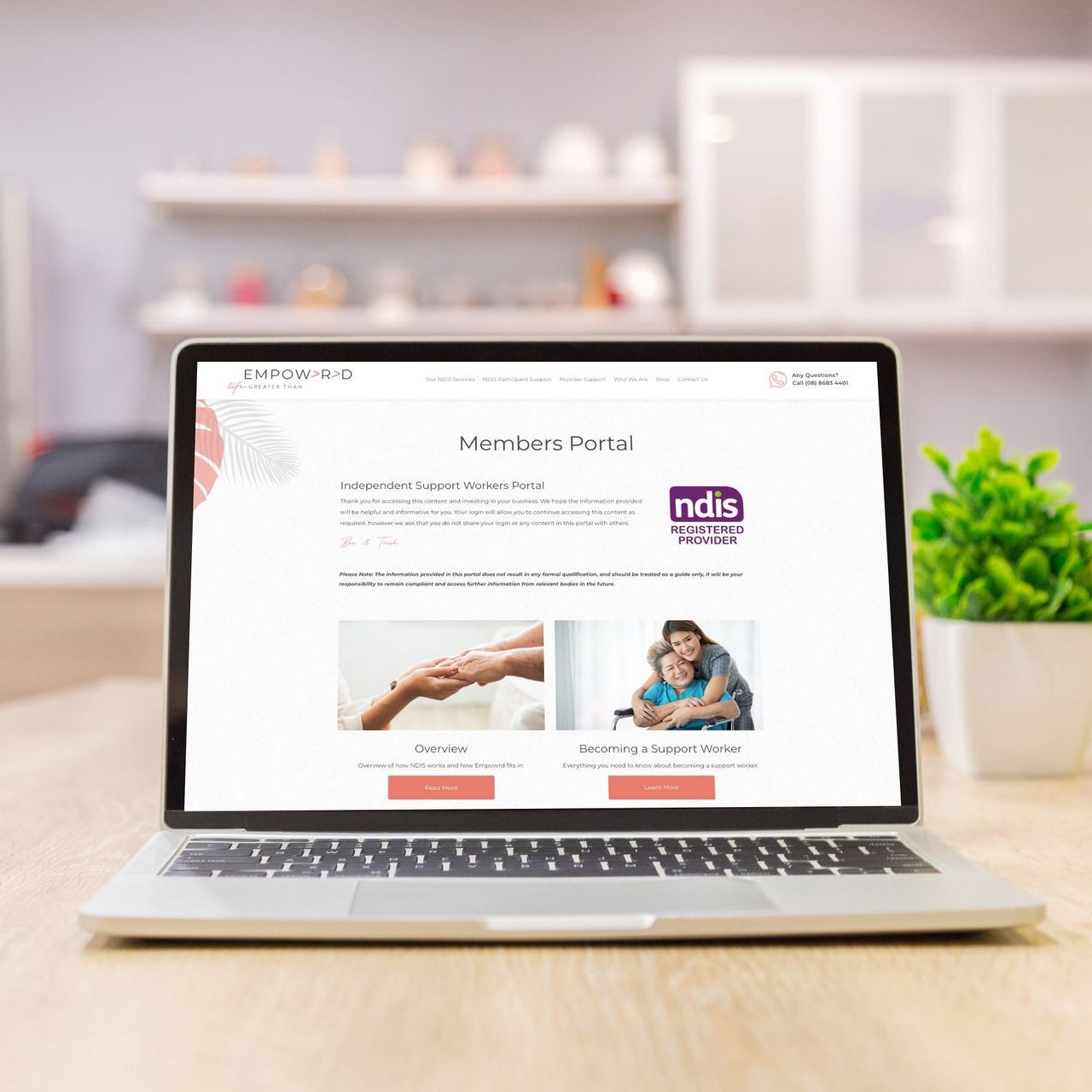
Want to Become a Support Worker?
Our Independent Support Workers Education Portal provides everything you need to navigate the NDIS, find work, and confidently offer services as an Independent Support Worker. For just $65, you will gain access to comprehensive guides, essential resources, and ready-to-use templates to streamline your work.
Inside, you will find:
- A clear breakdown of how the NDIS works
- Tips for finding jobs and delivering services
- Step-by-step guidance on invoicing and support planning
- Ready-to-edit templates for quotes, service agreements, invoices, and case notes
Need just the templates? You can also purchase them separately as standalone resources.

I hope you enjoy reading this blog post.
If you are ready to be Empowrd to live your life to the fullest, let us steer you on the right path.

Fuel shortages and rising fuel costs can affect transport, appointments and access to supports for NDIS participants. Learn how Empowrd helps participants plan ahead.

From July 2026, all SIL providers must be registered with the NDIS Commission. Learn what’s changing, why it matters, and what participants should expect.

Feeling overwhelmed as a carer? Emergency respite through Carer Gateway provides temporary care so you can rest and recover. Read more.

Emergencies can happen with little warning, and for people with disability the impact can be severe. Learn how to plan ahead and protect your supports.

NDIS Capacity Building funding supports independence and skill development. Understand the 8 Capacity Building support categories and how they align with your NDIS plan goals.

A step-by-step guide to NDIS Participant Support Plans. Learn what to include, why they matter, and how to use them to improve your support and planning.

Learn how the NDIS can support diabetes management if your disability makes self-care harder. Understand what’s funded and how to apply.

Find out if the NDIS funds gym memberships, support workers at the gym, or home exercise equipment and what to include in your planning meeting.

Understand what "Assistance with Daily Life" means in your NDIS plan. Learn what support workers can help with, how to use Core Supports, and how to explain your daily living needs.
Be EMPOWRD to Live Your Best Life
If you’re ready to be empowered to live life on your terms, we’re here to help guide the way. At Empowrd, we offer a personal, accessible, and holistic approach to NDIS Plan Management and Support Coordination. We’ll ensure your plan works for you, allowing you to focus on your goals and the things you love most.