Participant Enquiries

Emergency and Disaster Management for People with Disabilities: The Person-Centered Emergency Preparedness Approach
Empowrd • September 17, 2024

When emergencies and disasters strike, preparation is critical. For people with disabilities, traditional disaster preparedness plans can fall short, often overlooking unique support needs and personal capabilities. This gap has led to the development of a more inclusive approach: Person-Centered Emergency Preparedness (P-CEP).
What is P-CEP?
P-CEP is a framework that empowers individuals with disabilities to actively plan for emergencies by assessing their own preparedness, capabilities, and support needs. It emphasises self-assessment and personal planning, enabling individuals to identify how they will manage their support needs before, during, and after a disaster. This approach also encourages collaboration with their personal support networks to ensure everyone is well-prepared for emergencies.
Unlike standard emergency plans, which often focus on medical conditions or impairments, P-CEP prioritises function. It takes into account the individual’s specific abilities and strengths, focusing on what they can do and the resources available in their local community. This shift in focus helps remove barriers that increase the risk for people with disabilities during emergencies.
A Community-Centred Approach
One of the standout features of P-CEP is its emphasis on local community assets and cross-sector collaboration. It connects people with disabilities, emergency responders, and community organisations, creating a network of support that can be activated when disaster strikes. By working together, stakeholders ensure that the needs of individuals with disabilities are incorporated into community-wide disaster management plans, ultimately reducing risks and improving outcomes for everyone involved.
P-CEP is also aligned with Australia’s National Emergency Management and Disability Strategies, recognizing the capabilities of people with disabilities as central to reducing disaster risk. The approach encourages not only personal preparation but also the involvement of various stakeholders, including families, friends, carers, and local service providers, to ensure comprehensive emergency planning.
Why is P-CEP Important?
Emergencies can exacerbate existing challenges for people with disabilities, often leading to delayed evacuations, disruptions in care, and increased vulnerability. Without adequate preparation, people with disabilities may face significant barriers in accessing emergency services or maintaining necessary medical care during disasters.
P-CEP directly addresses these concerns by providing a clear, structured approach for individuals to follow. By involving people with disabilities in the planning process and focusing on their strengths, P-CEP helps reduce the uncertainty and stress associated with disasters.
Steps in P-CEP: How It Works
1. Self-Assessment:
The process begins with individuals evaluating their own emergency preparedness. This involves identifying personal strengths, resources, and potential gaps in support.
2. Developing a Personal Emergency Plan
Once the self-assessment is complete, individuals work on a customised plan. This plan includes strategies for managing personal support needs in an emergency, such as maintaining access to essential medical equipment or services.
3. Engaging with Support Networks
P-CEP emphasises the importance of involving family members, carers, and friends in the planning process. This ensures that the broader support network is aware of the individual’s needs and can assist effectively during a crisis.
4. Community Collaboration
P-CEP also involves connecting with local emergency management teams and community resources. This step helps ensure that the personal plan aligns with broader community strategies and that necessary support will be available during a disaster.
5. Regular Updates and Testing
Like any emergency plan, the P-CEP should be regularly reviewed and tested to ensure it remains relevant. This may involve practising evacuation procedures or updating contact information for support networks.
The Role of Stakeholders
P-CEP is not just about personal preparedness; it’s a collaborative effort. Community organisations, emergency responders, and government agencies all play a role in ensuring that people with disabilities are well-prepared for emergencies. By working together, these stakeholders can reduce barriers, improve communication, and ensure that emergency services are accessible to everyone.
How to Get Involved with P-CEP
If you or a loved one has a disability, developing a P-CEP plan can significantly improve your emergency preparedness. You can learn more about how to create your own plan and see P-CEP in action through lived experiences and research evidence by exploring the P-CEP Resource Package, available on the Collaborating 4 Inclusion website here.
Additionally, organisations like Empowrd are available to provide further resources and guidance on emergency and disaster management. You can find more useful links and information on our website here.
Conclusion
Person-Centred Emergency Preparedness (P-CEP) represents a shift in how we think about emergency planning for people with disabilities. By focusing on personal strengths, community assets, and collaboration, P-CEP empowers individuals to take control of their preparedness and ensures that the broader community is involved in reducing disaster risk. Whether you're an individual, carer, or community organisation, P-CEP offers a valuable framework for making sure everyone is ready when disaster strikes.
NDIS Plan Management and Support Coordination
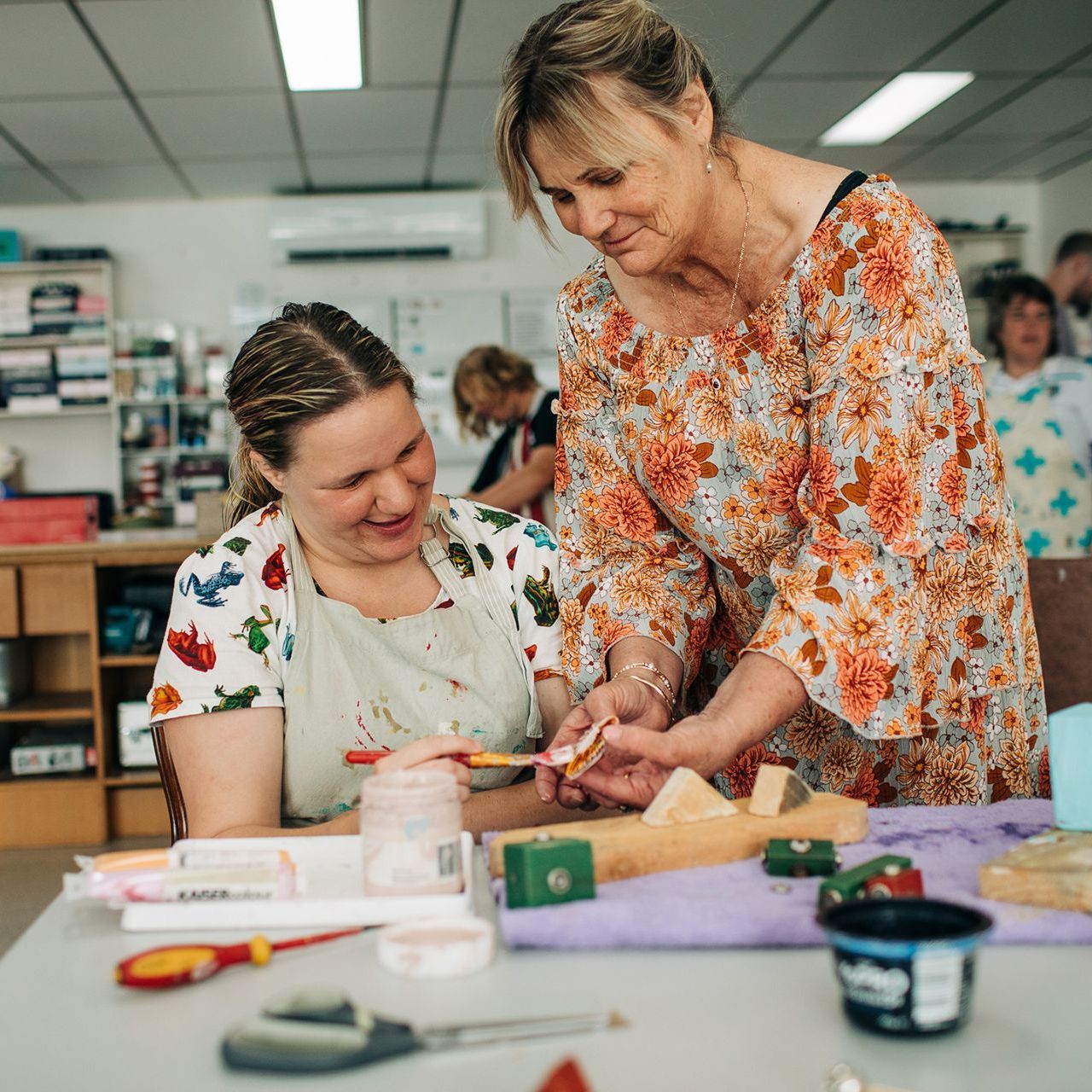
At Empowrd, we are here to make your life easier. Based in Port Lincoln on the Eyre Peninsula, we offer a personal, accessible and holistic approach to NDIS Plan Management and Support Coordination.
We provide Plan Management services across Australia, assisting with financial administration, and offer Support Coordination to participants in Port Lincoln and Eyre Peninsula, connecting them with the right supports and providers. Our goal is to ensure your NDIS plan works for you, so you can focus on achieving your goals and doing what you love.
Want to Become a Support Worker?
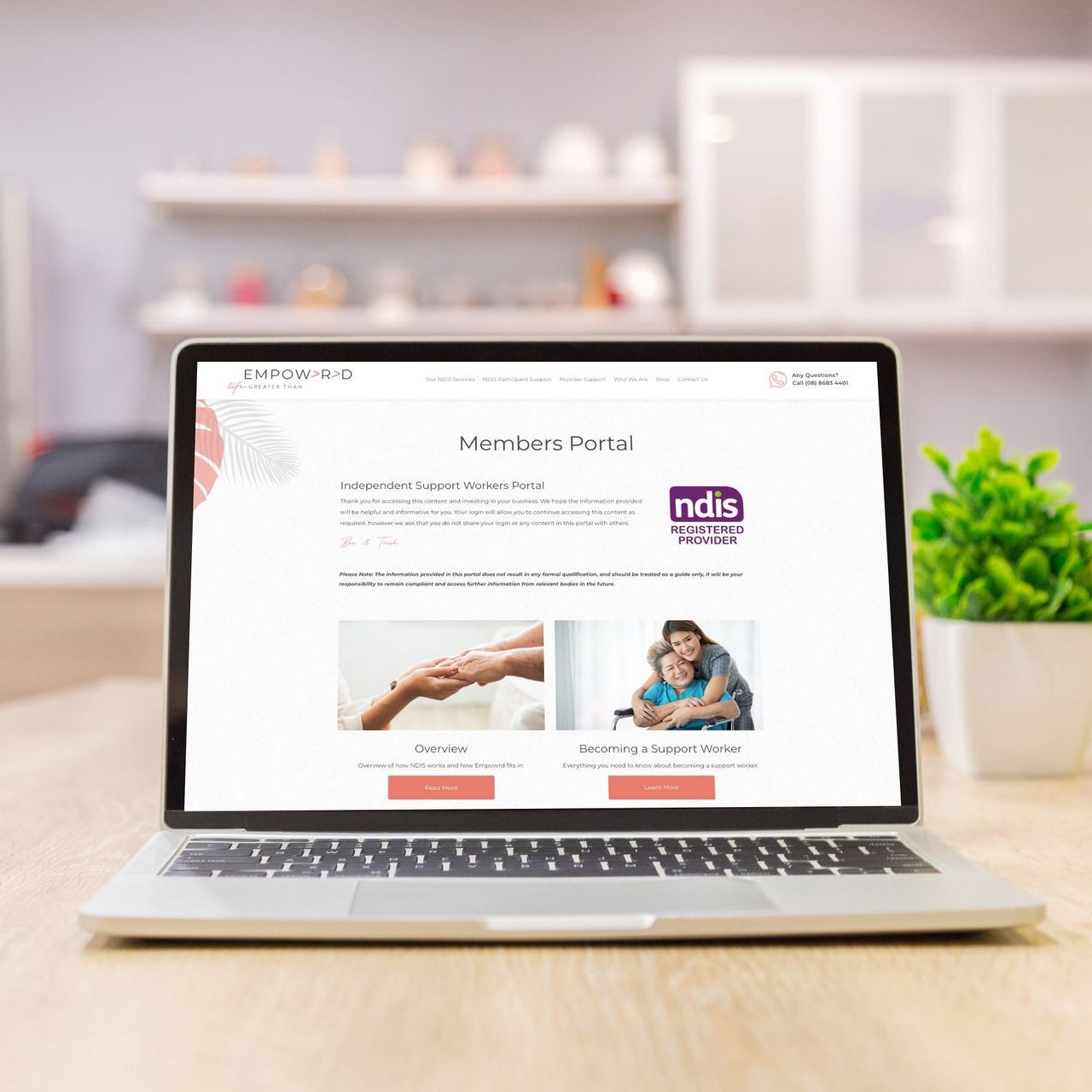
Our Independent Support Workers Education Portal provides everything you need to navigate the NDIS, find work, and confidently offer services as an Independent Support Worker. For just $65, you will gain access to comprehensive guides, essential resources, and ready-to-use templates to streamline your work.
Inside, you will find:
- A clear breakdown of how the NDIS works
- Tips for finding jobs and delivering services
- Step-by-step guidance on invoicing and support planning
- Ready-to-edit templates for quotes, service agreements, invoices, and case notes
Need just the templates? You can also purchase them separately as standalone resources.

I hope you enjoy reading this blog post.
If you are ready to be Empowrd to live your life to the fullest, let us steer you on the right path.

Fuel shortages and rising fuel costs can affect transport, appointments and access to supports for NDIS participants. Learn how Empowrd helps participants plan ahead.

From July 2026, all SIL providers must be registered with the NDIS Commission. Learn what’s changing, why it matters, and what participants should expect.
Feeling overwhelmed as a carer? Emergency respite through Carer Gateway provides temporary care so you can rest and recover. Read more.
Emergencies can happen with little warning, and for people with disability the impact can be severe. Learn how to plan ahead and protect your supports.

Learn how disability parking permits work in Australia, who is eligible, and how to apply. Includes the Australian Disability Parking Scheme (ADPS) and NDIS guidance.

NDIS Capacity Building funding supports independence and skill development. Understand the 8 Capacity Building support categories and how they align with your NDIS plan goals.

A step-by-step guide to NDIS Participant Support Plans. Learn what to include, why they matter, and how to use them to improve your support and planning.
Learn how the NDIS can support diabetes management if your disability makes self-care harder. Understand what’s funded and how to apply.
Find out if the NDIS funds gym memberships, support workers at the gym, or home exercise equipment and what to include in your planning meeting.
Be EMPOWRD to Live Your Best Life
If you’re ready to be empowered to live life on your terms, we’re here to help guide the way. At Empowrd, we offer a personal, accessible, and holistic approach to NDIS Plan Management and Support Coordination. We’ll ensure your plan works for you, allowing you to focus on your goals and the things you love most.